Few household issues can create stress quite like plumbing problems. A dripping faucet may be annoying, but when water is gushing from a burst pipe at midnight or your toilet won’t stop overflowing, it quickly turns into a crisis. That’s where Emergency Plumbing steps in—providing urgent, professional help when you need it most. Unlike scheduled maintenance, emergency plumbing services are designed to protect your home from sudden disasters, save you money on long-term repairs, and give you peace of mind.
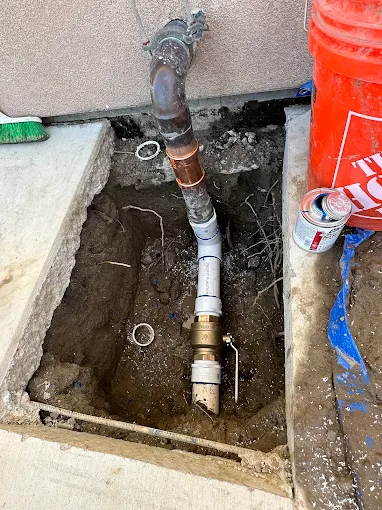
This guide highlights five warning signs that demand immediate attention and explains how homeowners, particularly in Los Angeles, can access reliable, around-the-clock plumbing help.
1. Persistent or Sudden Leaks: A small leak might not look like much, but if left unattended, it can cause:
- Structural damage to walls, floors, and ceilings
- Mold growth that poses health risks
- Skyrocketing water bills
If you notice:
- Water stains appearing overnight
- Damp patches on drywall
- Continuous dripping that won’t stop with a quick tightening
It’s time to call an emergency plumber in Los Angeles. What starts as a minor inconvenience can quickly escalate into thousands of dollars in damage if the leak compromises structural integrity.
Solution: Shut off your home’s main water supply immediately, then contact an emergency plumbing specialist. Fast action minimizes both water waste and damage.
2. Sewer Backups and Strong Odors: Few plumbing issues are as unsettling as a sewer backup. The smell alone signals danger, but the real risks are even more severe:
- Exposure to harmful bacteria and pathogens
- Contaminated water flowing into sinks, tubs, or toilets
- Damage to the flooring and personal belongings
Signs to watch for include:
- Foul sewage odors near drains
- Multiple drains are clogging at the same time
- Gurgling noises when flushing toilets or using sinks
At this stage, typical DIY fixes won’t cut it. This is when you need Emergency Plumbing Services. Professional plumbers have specialized tools—like sewer cameras and hydro-jetting equipment—that can identify and resolve the blockage safely.
3. Burst or Frozen Pipes: For many homeowners across the U.S., especially in colder regions, frozen pipes are a recurring winter nightmare. When water inside pipes freezes, it expands, creating enormous pressure that can cause pipes to burst. Even in Los Angeles, where freezing temperatures are rare, unexpected bursts can happen due to corrosion or aging infrastructure.
Consequences include:
- Flooding in basements or living areas
- Immediate loss of water supply
- Risk of electrical hazards if water reaches the wiring
Warning Signs:
- Frost on exposed pipes
- Strange clanging noises in walls
- Sudden drop in water pressure
If a burst pipe occurs, turn off your main water valve and call plumbing services in Los Angeles immediately. Emergency technicians can isolate the damage, replace sections of pipe, and restore water safely.
4. No Hot Water or Water Heater Failure: Hot water isn’t just a luxury—it’s essential for cleaning, hygiene, and comfort. When your water heater suddenly fails, it can throw your entire household into chaos. Common causes include:
- Sediment buildup in the tank
- Malfunctioning thermostat or heating element
- Broken pilot light or gas connection
Warning signs include:
- Water that runs cold after just a few minutes
- Rumbling or popping sounds from the water heater
- Rust-colored water from taps
5. Overflowing Toilets and Major Clogs: While minor clogs can often be cleared with a plunger, persistent or severe backups are a different story. Overflowing toilets are not only messy but also unhygienic, spreading bacteria and contaminating surfaces.
Red Flags:
- The toilet overflows repeatedly despite plunging
- Wastewater rising in tubs or sinks after flushing
- Slow drains throughout the house are signaling a deeper blockage
This is when emergency intervention is crucial. Professionals offering emergency plumbing services use augers, drain snakes, and hydro-jetting to remove tough blockages without damaging pipes.
How Emergency Plumbing Services Work
When a plumbing disaster strikes, most homeowners feel overwhelmed—water is flooding the basement, the toilet won’t stop overflowing, or the water heater has suddenly failed.
Understanding how emergency plumbing services operate can help you stay calm and know exactly what steps will happen once you pick up the phone.
- Rapid Dispatch – Emergency plumbers arrive within hours, day or night.
- Assessment – They quickly identify the source and severity of the issue.
- Temporary Fixes – If full repairs take time, immediate measures stop further damage.
- Permanent Repair – Pipes, heaters, or drains are restored to working condition.
- Preventive Advice – Homeowners are advised on maintenance to avoid repeat issues.
Conclusion
Plumbing emergencies don’t follow a schedule—they strike any time, day or night. Whether it’s a burst pipe, sewer backup, or overflowing toilet, recognizing these five warning signs helps homeowners act quickly and protect their property. By calling on reliable plumbing services Los Angeles, you can resolve crises safely, efficiently, and with minimal disruption.
When water starts flowing where it shouldn’t, don’t wait. Emergency plumbing is your safeguard against chaos, costly damage, and health risks.
Frequently Asked Questions:
1. What qualifies as a plumbing emergency?
Answer: A burst pipe, sewer backup, overflowing toilet, or complete loss of water supply all count as emergencies requiring immediate help.
2. How quickly can an emergency plumber in Los Angeles arrive?
Answer: Many providers offer 24/7 services with arrival times ranging from 30 minutes to 2 hours, depending on traffic and location.
3. Is emergency plumbing more expensive than regular service?
Answer: Yes, but the cost is often far less than the damage caused by waiting. Most companies provide upfront estimates before beginning work.
4. Can I handle minor leaks myself?
Answer: Small leaks may be temporarily managed with sealant or pipe tape, but professional repair is always recommended for long-term safety.
5. How can I prepare my home to prevent plumbing emergencies?
Answer: Regular maintenance, timely replacement of aging fixtures, and being mindful about what goes down drains can prevent many emergencies.